
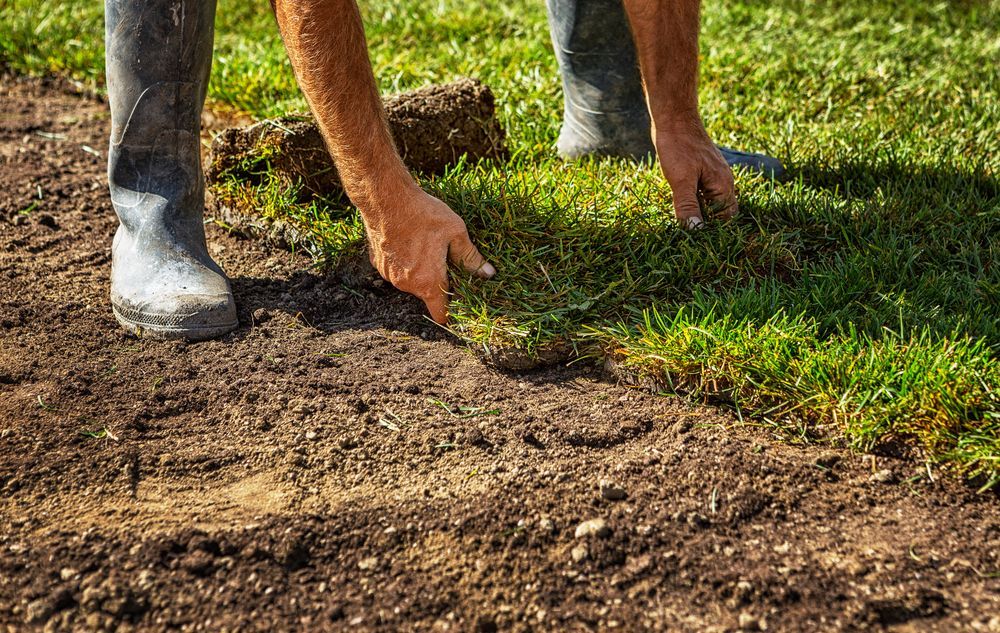
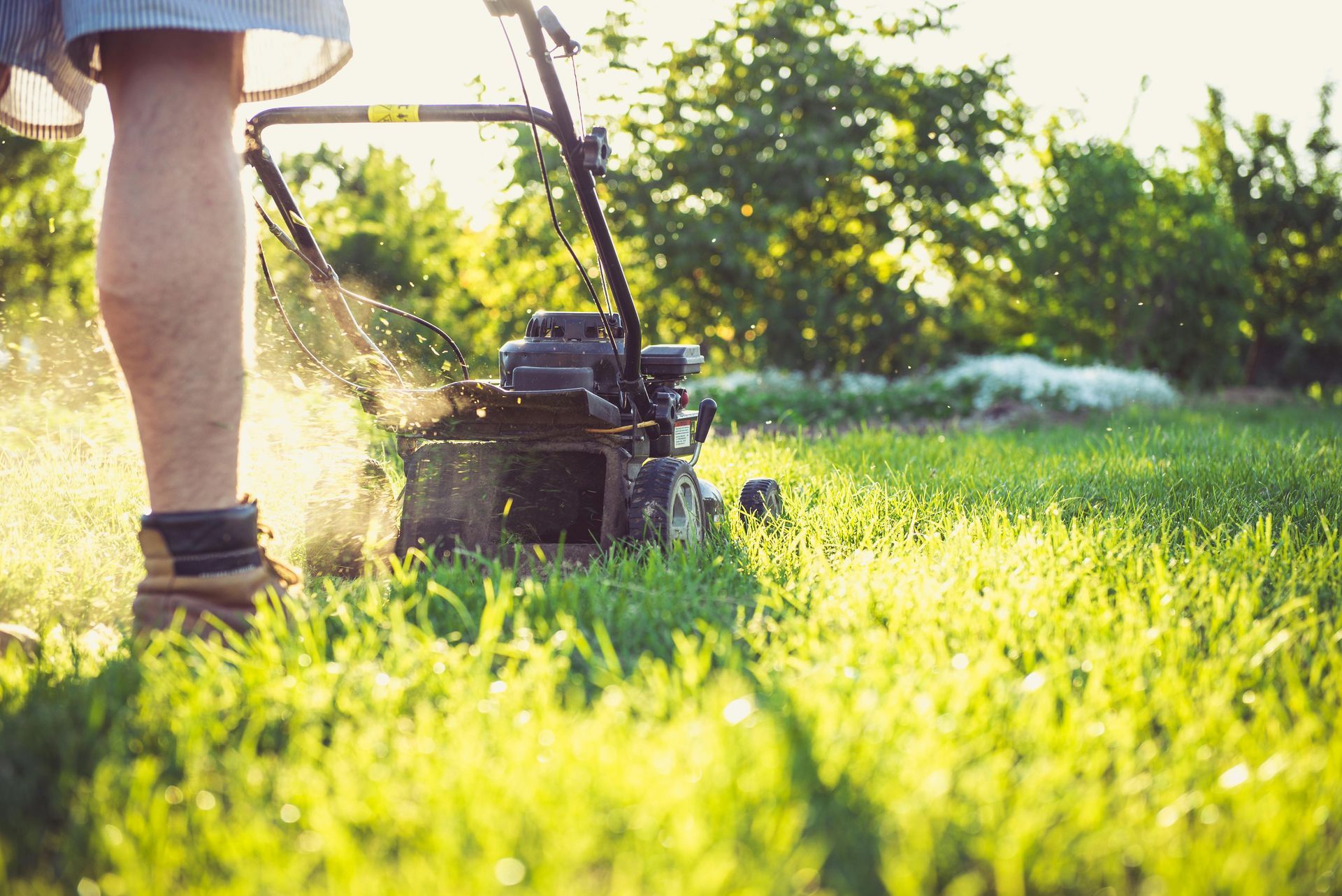
Keeping your yard and outdoor spaces looking tidy takes more work than most people expect. Lawns grow quickly, hedges become overgrown and small repairs seem to appear at the worst possible time. Before long, what started as a few small tasks turns into a long weekend chore list. For many homeowners, weekends are the only chance to relax, spend time with family or enjoy the outdoors. That’s why more people are choosing to leave certain outdoor jobs to professionals. With the right tools, experience and efficiency, professional property maintenance teams can complete tasks quickly while delivering better results. Services like mowing, gardening, pressure cleaning and small repairs help keep homes looking great without the stress of doing everything yourself. If you’re wondering which tasks are worth outsourcing, here are seven outdoor jobs that are often easier to leave to the professionals. 1. Lawn Mowing & Regular Yard Maintenance A freshly cut lawn can instantly improve the appearance of your home. However, maintaining healthy grass involves more than simply pushing a mower around the yard. Proper lawn care includes: Cutting grass to the correct height Trimming edges along paths and fences Removing clippings and debris Monitoring the lawn for weeds or disease Different grass types require different mowing schedules throughout the year. Cutting too short can damage the lawn, while leaving it too long can encourage pests and weeds. Professional mowing services ensure your lawn stays healthy and neat while saving you time and effort. Instead of spending hours outside each week, you can enjoy a consistently well-maintained yard. 2. Garden Pruning & Hedge Trimming Gardens can quickly become overgrown if plants are not trimmed regularly. Shrubs, hedges and trees all require occasional pruning to maintain their shape and health. Pruning is important because it helps: Encourage healthy growth Improve air circulation around plants Remove dead or damaged branches Maintain the overall structure of the garden However, trimming plants incorrectly can damage them or reduce flowering. Professional gardeners understand how and when to prune different plant varieties to keep them thriving. Hedge trimming also requires the right equipment and a steady hand to achieve clean, even lines. A professional touch can make the entire garden look more organised and visually appealing. 3. Overgrown Garden Clean-Ups Sometimes a yard becomes difficult to manage after months of neglect or busy schedules. Weeds spread quickly, shrubs grow out of control and garden beds lose their structure. A professional garden clean-up can completely transform an outdoor space by restoring order and removing unwanted growth. Typical garden tidy-up work may include: Clearing weeds and unwanted plants Trimming back overgrown shrubs Removing garden waste and debris Reshaping garden beds With professional equipment and experience, what might take a homeowner several weekends can often be completed in just a few hours. 4. Installing New Turf A fresh lawn can dramatically improve the appearance of a property. Whether you’re replacing patchy grass or landscaping a new yard, turf installation provides immediate results. However, laying turf successfully involves several important steps: Preparing and levelling the soil Removing weeds and old grass Choosing turf suitable for local conditions Laying and watering the turf correctly Without proper preparation, new turf may struggle to establish strong roots. Professional installers understand soil preparation and turf placement techniques that give new lawns the best chance to thrive. Once installed properly, a healthy lawn becomes one of the most attractive features of any property. 5. Pressure Cleaning Outdoor Surfaces Outdoor surfaces are constantly exposed to dirt, dust and weather. Over time, driveways, walls and patios can develop stains, mould or discolouration. Pressure cleaning is an effective way to restore these surfaces and make them look fresh again. Professional pressure cleaning can remove grime from areas such as: Driveways and pathways Patios and outdoor entertaining areas External walls and fences Windows and paved areas Using high-powered equipment, professionals can remove stubborn dirt that household cleaners often cannot handle. The result is a cleaner, brighter exterior that instantly improves your home’s presentation. 6. Fence Repairs & Small Outdoor Fixes Fences are an important part of many properties, providing privacy, security and boundary definition. However, exposure to weather and everyday wear can cause fences to deteriorate over time. Common fence issues include: Loose or broken panels Leaning posts Damaged rails or palings Gates that no longer close properly These problems may seem small at first, but ignoring them can lead to bigger repairs later. A handyman or maintenance professional can fix these issues quickly and safely. Keeping fences in good condition not only improves the look of your property but also ensures they remain secure and functional. 7. Small Handyman Jobs Around the Yard Every property has small tasks that often get pushed to the bottom of the to-do list. These jobs may not be urgent, but completing them can improve both convenience and safety. Common outdoor handyman tasks include: Fixing gates or hinges Installing shelves or hooks in outdoor areas Repairing garden structures Adjusting doors or fittings Instead of juggling multiple contractors, many homeowners prefer working with one reliable maintenance service that can handle several jobs at once. This approach saves time and ensures everything around the property is taken care of efficiently. Why Hiring Professionals Saves Time & Effort Many outdoor tasks require physical effort, specialised tools and experience. What might take an entire day for a homeowner can often be completed much faster by professionals. Professional property maintenance offers several advantages: Reliable results Proper equipment and expertise Reduced physical workload More free time for homeowners Instead of spending your weekends tackling chores, you can focus on activities you actually enjoy while your property stays well maintained. Enjoy Your Home Without the Weekend Chores A clean, well-maintained yard adds value to your home and makes outdoor spaces more enjoyable. Whether it’s mowing the lawn, tidying the garden or fixing small issues around the property, regular maintenance keeps everything looking its best. Chore Lovers provides reliable mowing, gardening, landscaping and general property maintenance services designed to make life easier for homeowners. With the right support, maintaining your outdoor space becomes simple and stress-free. If your weekend chore list keeps growing, it might be time to leave the hard work to professionals and spend more time enjoying your home.


